1. Lacrosse
  2. Helmets

Lacrosse Helmets - Page 2

Trending Helmet Listings

556 Results
Shop by Category

Resell & Save Even More

Earn hundreds when you list your gear for sale, or trade-in and drop off at a local partner.

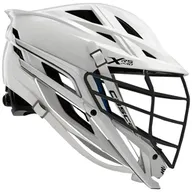
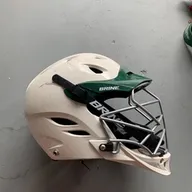
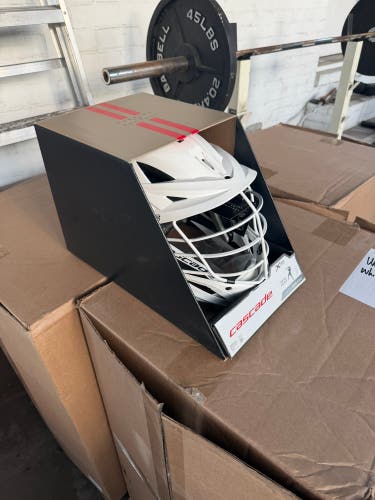
Cascade XRS Pro Helmet (New)
Bryc3n
Cascade XRS Pro Helmet (New)
$366$3855% OFF
15% PRICE DROP
Retail price: $530
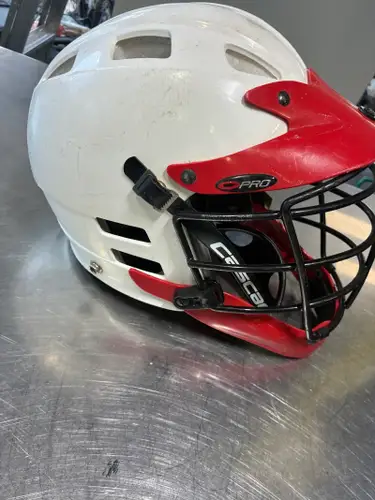
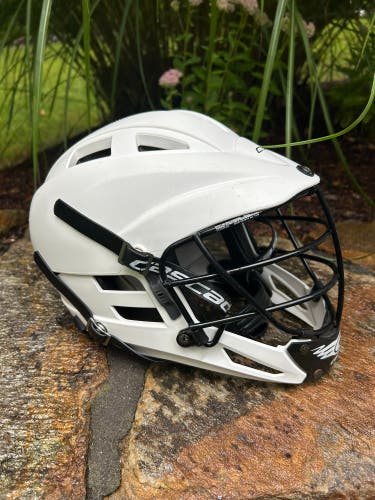
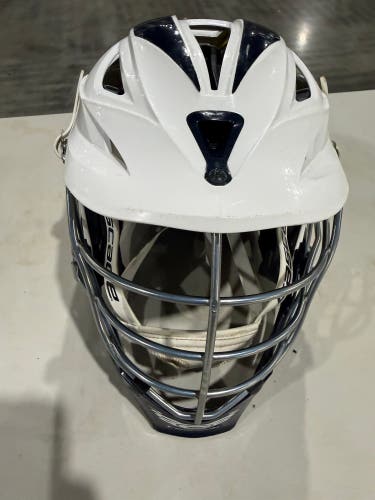
Used adjustable Cascade Helmet
Runandrew1Sideline Pro+
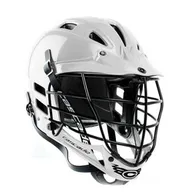
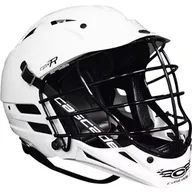
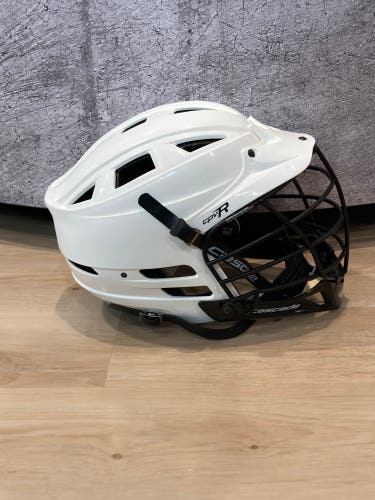
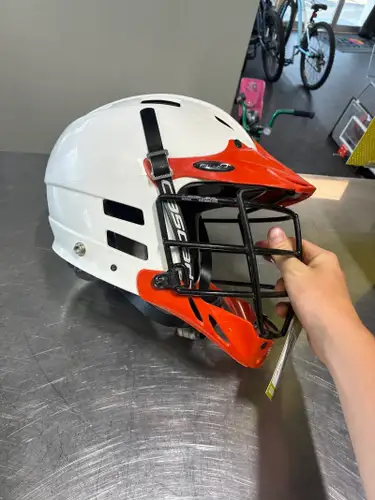
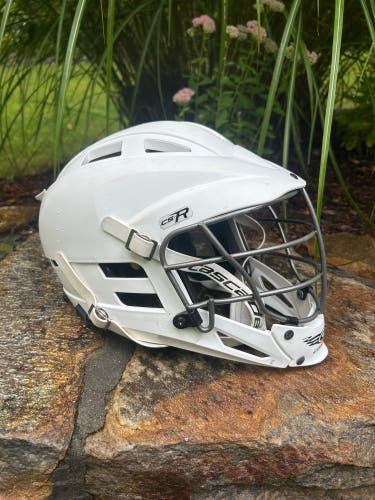
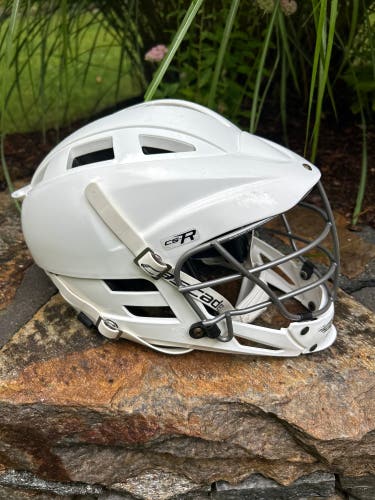
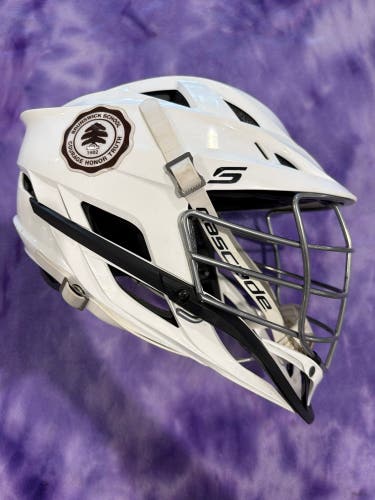
Cascade R Helmet (Used)
Runandrew1Sideline Pro+
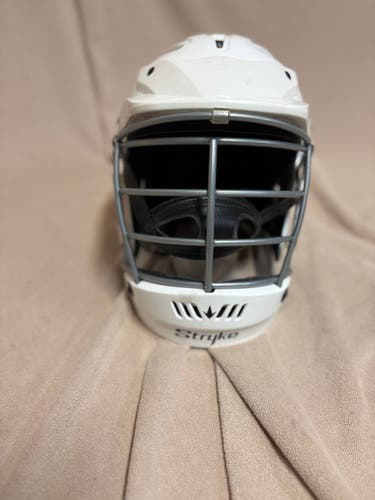
Stryke small adult Helmet (Used)
Runandrew1Sideline Pro+
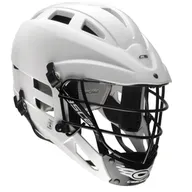
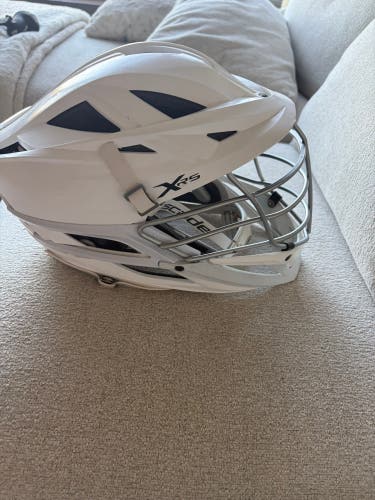
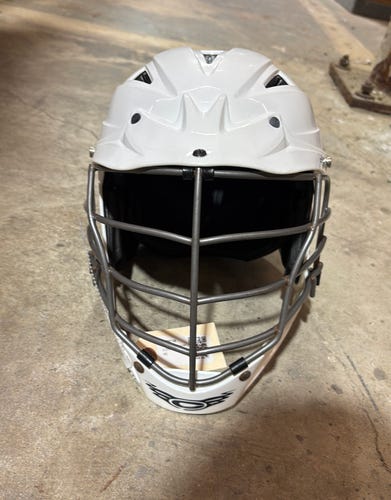
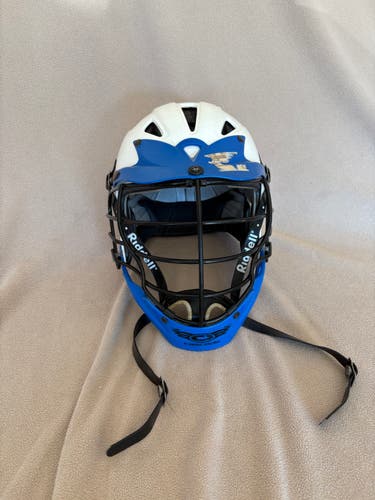
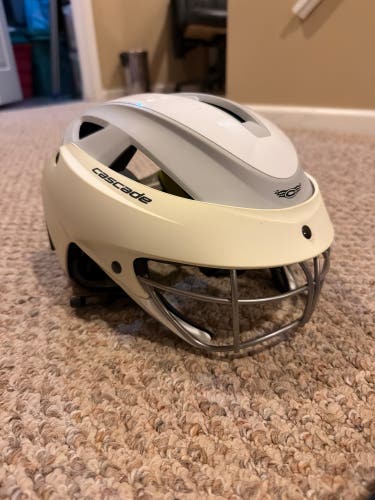
Cascade Helmet (Used)
Runandrew1Sideline Pro+
Cascade CPX Helmet (Used)
Runandrew1Sideline Pro+
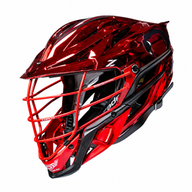
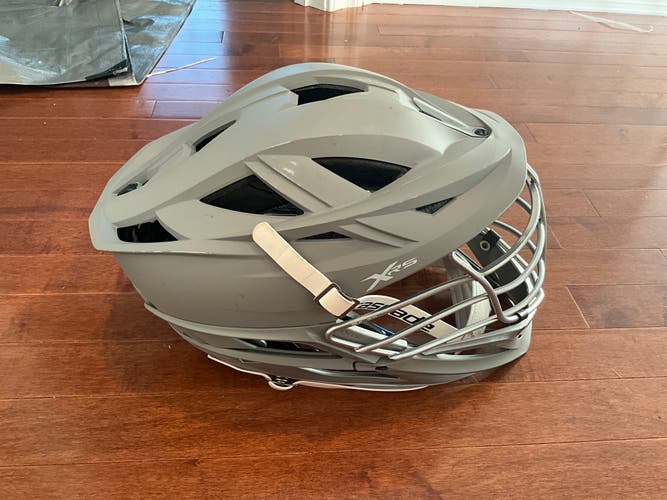
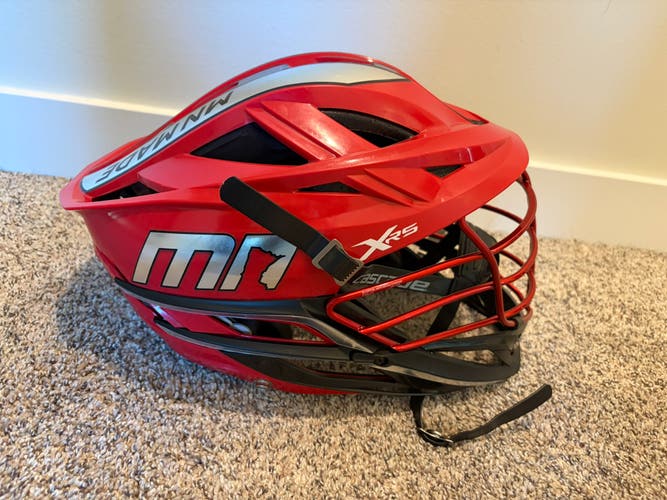
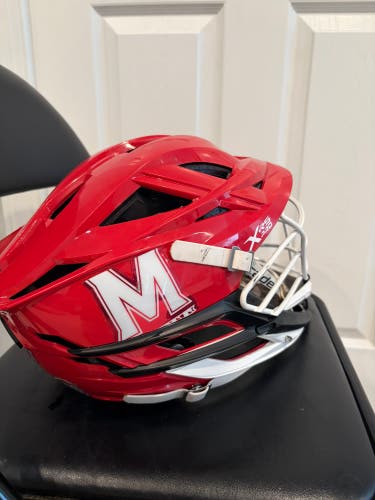
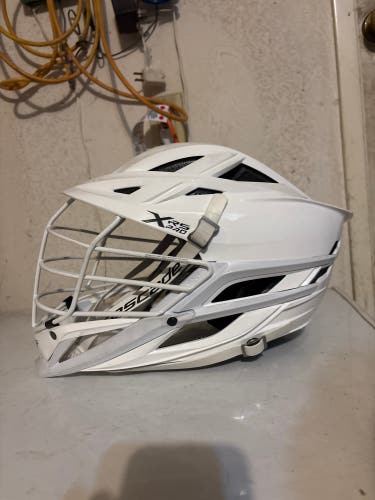
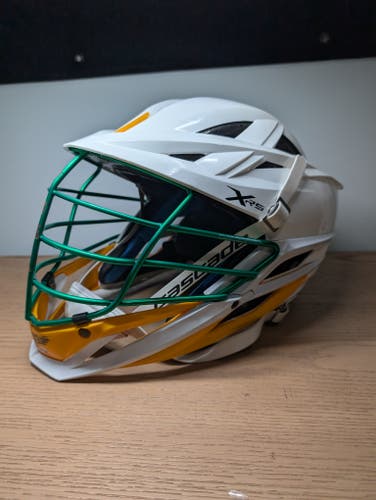
Cascade XRS Pro Helmet (Used)
mikeyrlax21
Cascade XRS Pro Helmet (Used)
$325
Retail price: $450
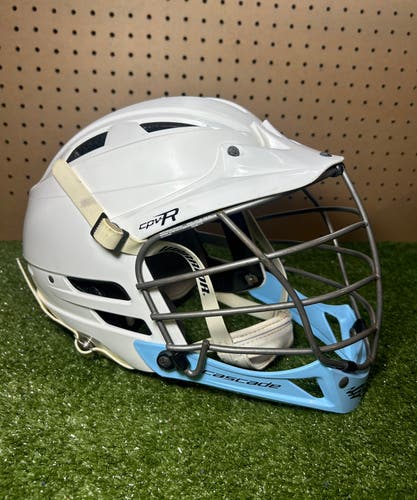
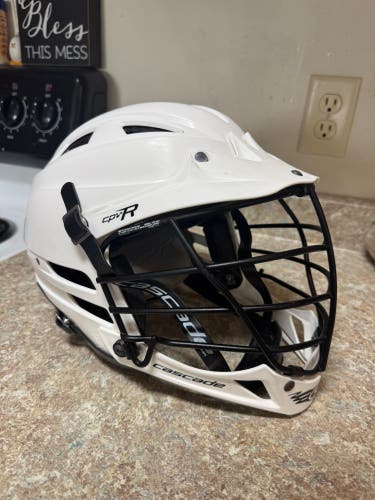
Cascade CPV-R Helmet (Used)
Will_b7
Cascade CPV-R Helmet (Used)
$45
Retail price: $175
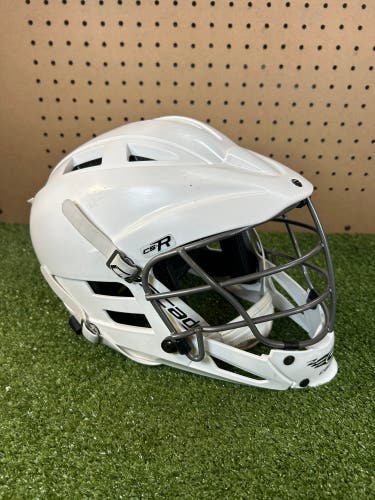
Cascade R Helmet (Used)
Santicards04
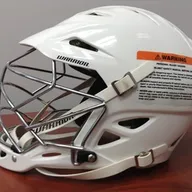
Warrior Covert PX2 Helmet (Used)
Madanderson23
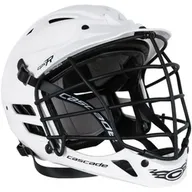
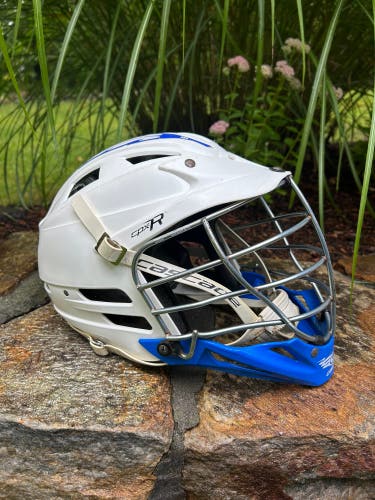
Cascade CPX-R Helmet (Used)
Elias33
Cascade CPX-R Helmet (Used)
Elias33
Cascade CPX-R Helmet (Used)
Elias33
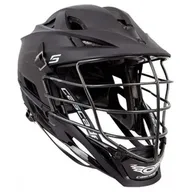
Cascade S Helmet (Used)
SCOTTRANGER19
Cascade S Helmet (Used)
$135
Retail price: $250
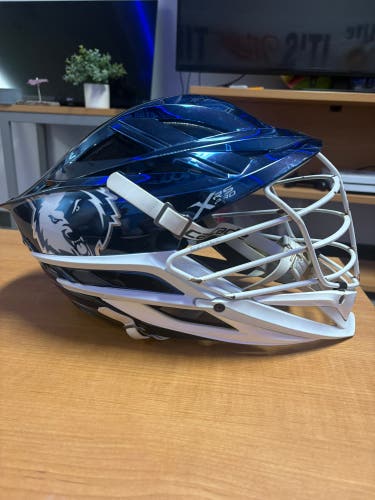
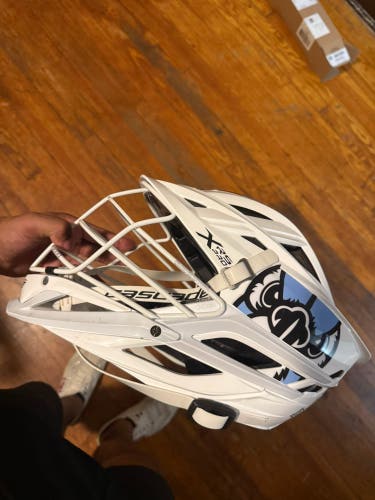
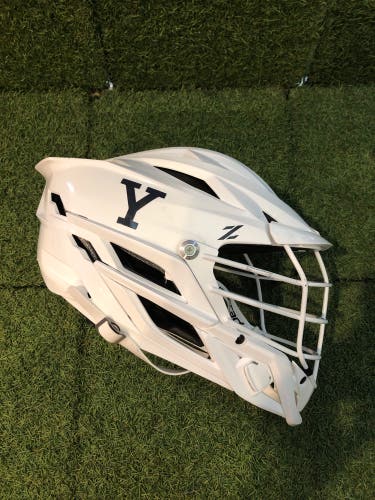
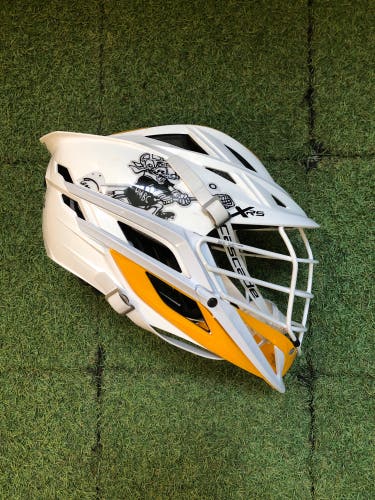
John’s Hopkins Cartoon Jay Cascade XRS
WizardLacrosse
Cascade Helmet (Used)
bucksalum01
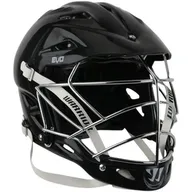
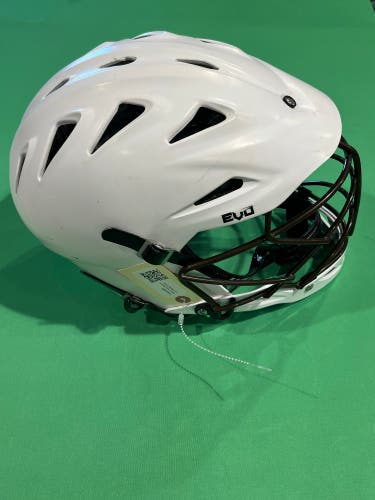
Warrior Evo Helmet (New)
laxerbroski67
Warrior Evo Helmet (New)
$150
Retail price: $200
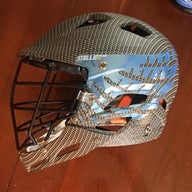
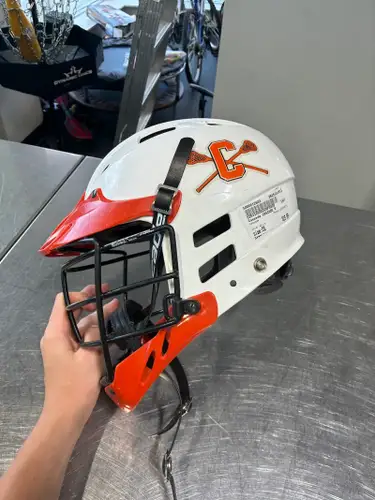
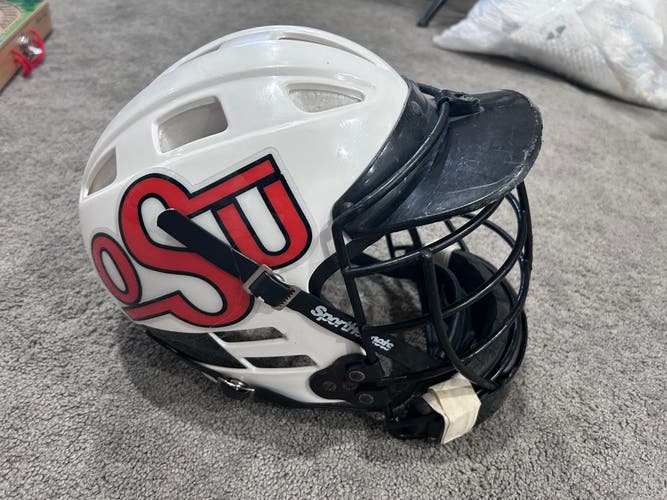
Cornell Men’s Lacrosse Team Issued STX Helmet (Used)
RyanGoldstein15Sideline Pro

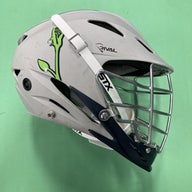
What is the purpose of a lacrosse helmet?

​A lacrosse helmet is a vital piece of protective equipment designed to safeguard players from head injuries during the game

  • Protection against head injuries
  • Facial and jaw protection
  • Compliance with safety standards
  • Enhanced visibility and comfort 


What is the helmet rule in lacrosse?

​In high school boys' lacrosse, the "helmet rule" addresses situations where a player's helmet comes off during play. According to Rule 4-24-11, officials must immediately stop the game if a player's helmet comes off during live play. The player must leave the field and may not return until after the next dead ball following the resumption of play. 
Additionally, Rule 1-9-1a mandates that helmets be worn with the chin strap securely fastened under the chin and attached at all manufactured attachment points. The helmet should not be removable without detaching the chin strap, ensuring proper fit and safety.​


How many years is a lacrosse helmet good for?

​The lifespan of a lacrosse helmet depends on factors like manufacturer guidelines, usage, and maintenance. Here's what you need to know:​

🛡️ General Lifespan

  • 3 to 5 Years: Most manufacturers recommend replacing lacrosse helmets every 3 to 5 years, regardless of visible damage. Factors such as exposure to sun, temperature fluctuations, and regular wear can degrade helmet materials over time. 

🔁 Recertification and Reconditioning

  • Recertification Interval: Helmets should be reconditioned and recertified at intervals specified by the manufacturer. Even if unused, helmets may require recertification based on the time elapsed since the last certification. 

  • 10-Year Limit: Helmets older than 10 years from the date of manufacture are generally not eligible for recertification and should be replaced. 

🧾 Check the Labels

  • Certification Labels: Look for labels indicating compliance with NOCSAE standards and the date of manufacture. Some helmets may also have labels specifying the certification's expiration or whether the helmet can be recertified.

🧰 Maintenance Tips

  • Regular Inspections: Before each season and periodically during use, inspect your helmet for cracks, loose padding, or other signs of wear.​

  • Avoid Damage: Do not expose the helmet to extreme temperatures, harsh chemicals, or unauthorized modifications, as these can compromise safety.​

  • Professional Reconditioning: If your helmet is eligible, have it reconditioned by a licensed NAERA member to ensure it meets safety standards.​


Field Lacrosse Helmets: Goalie vs. Field Player

  • Field Lacrosse: Goalies and field players use the same helmet models; goalies add a separate throat protector.​

  • Box Lacrosse: Goalies often opt for hockey-style or catcher-style helmets that provide additional built-in protection.​

Regardless of the style, it's crucial for all players, especially goalies, to ensure their helmets and additional protective gear are properly fitted and meet safety standards to provide the best possible protection on the field.