1. Hockey
  2. Gloves

Hockey Gloves - Page 13

Shop by Age Group

JuniorSeniorYouth
985 Results
Shop by Category
Eagle CP94 Gloves 15” NEW
Hiltabidel
Eagle CP94 Gloves 15” NEW
$191
SOLD
Retail price: $350
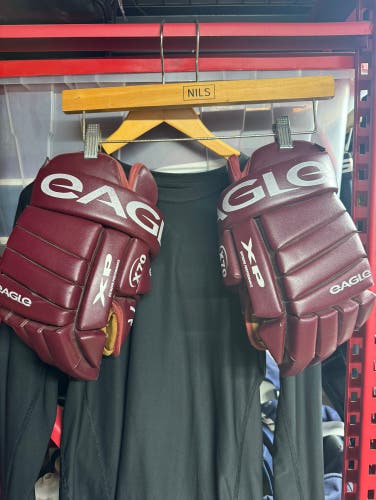
Eagle Gloves X70 14” Maroon
thisissabotage
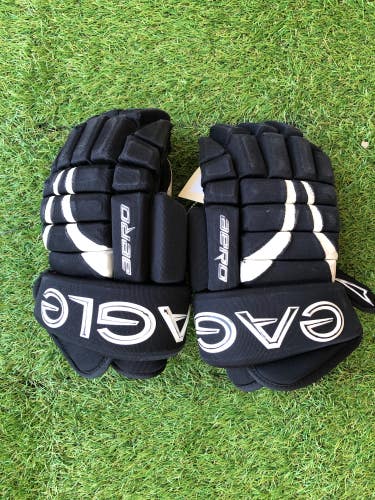
Black Used Senior Eagle Aero Gloves 14"
GrittySportSideline Pro+
Used Eagle PPFi Gloves 13" Black/White
AnthemHockey
Used Eagle PPFi Gloves 13" Black/White
$149
SOLD
Retail price: $229
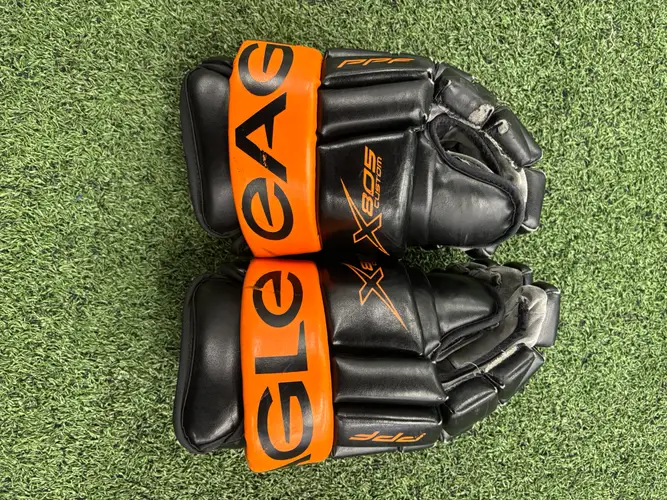
RARE Eagle X905 14" Pro Stock
Jdub_ressala
RARE Eagle X905 14" Pro Stock
$207
SOLD
Retail price: $1,000
Vintage Black/Red Eagle X70 14" (Used)
Diggitydankbudz
Vintage Black/Red Eagle X70 14" (Used)
$140
SOLD
Retail price: $140
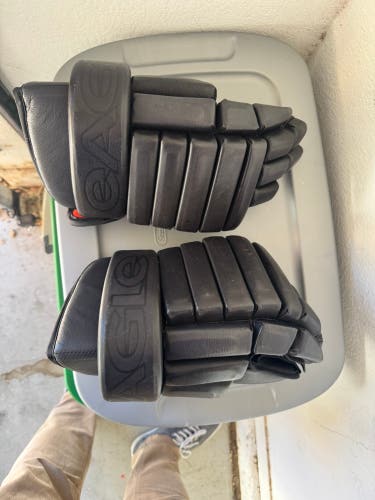
Barely Used Eagle 14" CP94 Gloves
BBrett897
Barely Used Eagle 14" CP94 Gloves
$190
SOLD
Retail price: $290
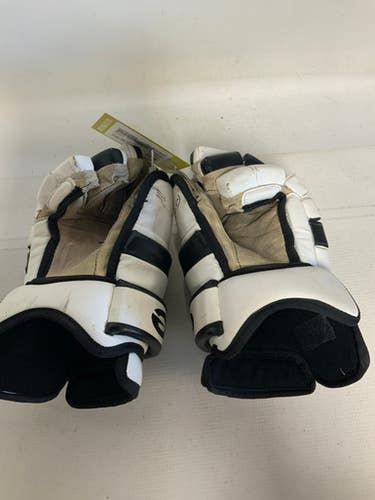
Eagle Odyssey white 12” hockey gloves
HockeytorontoSideline Pro+
Eagle 14"  PPF Gloves
Conradical74
Eagle 14" PPF Gloves
$100
SOLD
Retail price: $200
Eagle Gloves 15" PPF+ (Used)
agerds
Eagle Gloves 15" PPF+ (Used)
$50
SOLD
Retail price: $150
Used Eagle X844 Gloves 14"
HockeySeller397

Determining Glove Size

Glove sizing is relatively universal, but it’s important to note that different models within the same brand often have unique fits which may influence your sizing decisions. The Bauer Supreme line, for example, offers a tighter, more anatomical fit compared to the roomier Bauer Nexus gloves. It is important for buyers to do their research to find out which glove will suit them best before making a purchase.

*Note that arm length is measured from knuckles to elbow.

As shown here:

Glove Size Arm Length (in)*
10" 9-11"
11 10-11"
12" 11-12"
13" 12-13"
14" 13-14"
15" 14-15"


What is Pro Stock?

Each year, gear manufacturers send countless pieces of equipment to pro and collegiate players across North America – often, customized to those players' unique specs. Those that aren't used are “returned,” and many end up for sale on SidelineSwap.


What Glove Break do NHL Goalies Use?

NHL goalies use a variety of glove breaks depending on their preferences for comfort, catching style, and puck control. The "break" refers to the angle and shape of the glove's palm and how it closes. Each break angle influences how the glove closes around the puck:

60° Break: A steep angle that mimics a baseball glove. The glove closes along the fingers-to-thumb axis.

  • Preferred by: Goalies who want a natural, hand-shaped feel for catching.
  • Notable Models: Bauer gloves often use this break (e.g., Bauer Vapor series).

90° Break: A flat break that closes like a clamp, more across the palm than the fingers.

  • Preferred by: Goalies who prioritize rebound control and a wider catching surface.
  • Notable Models: Some Warrior and CCM gloves.

580 Break (Custom CCM): A unique, steeper break that closes thumb-to-pinky.

  • Preferred by: Goalies who like a natural catching motion with full palm coverage.

590 Break (CCM Standard): A versatile, popular break that closes the thumb-to-index finger. It's a middle ground between natural feel and rebound control.

  • Preferred by: NHL goalies for its flexibility and puck-catching reliability.

600 Break: A flatter, more open shape that closes thumb-to-finger.

  • Preferred by: Goalies who want a large, open pocket for puck retention and easy catching.
  • Notable Models: CCM gloves with an open-face design.

Consider...

  • Personal Preference: Goalies experiment with glove shapes in their early years and stick with what feels natural.
  • Rebound Control: Some gloves emphasize keeping the puck in the pocket, while others prioritize deflecting pucks away.
  • Hand Fit: Tighter or looser fits influence how goalies handle the glove.
  • Playing Style: Aggressive goalies might favor a larger, open-pocket glove (e.g., 600 break), while reactive goalies may prefer a natural closing motion (e.g., 590 or 580 break).


Buying Used Checklist; Hockey Gloves 🧤

Buying used gear is a sustainable way to score high-quality items at a fraction of the cost. Not only can you find great deals, but you might also stumble upon rare or discontinued gear that’s no longer available in stores. When buying used hockey gloves, here's what to look for:

✔️ Check the palm for signs of tears or holes, which can arise from friction during use.
✔️ Inspect the exterior padding for tears or damage.
✔️ Small tears are usually acceptable, but large cuts can expose your hands to injury.
✔️ Ensure the padding is evenly distributed, especially over the knuckles, palms, and fingers.
✔️ While cleaning can help, heavily stained gloves may be too far gone for use.
✔️ Check seams for loose or fraying stitching, focusing on stress points between the fingers, palm, and cuff. 

🏆 The best part of shopping used on SidelineSwap? We offer Buyer Protection and will issue you a full refund if your item is never shipped, arrives damaged, or is not as described. We also provide No-Questions-Asked returns with Seel. Learn more here.