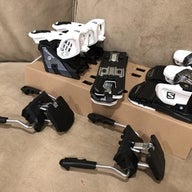
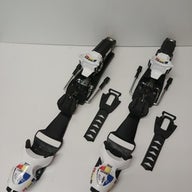
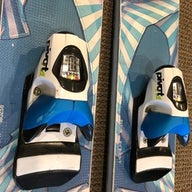



Understanding Your DIN Setting
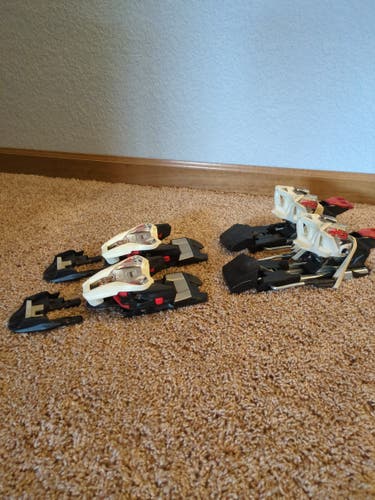
Once you buy a pair of ski bindings, be sure to head down to your local pro shop to have them professionally set. Ski technicians will ensure that your bindings are mounted properly onto your skis.
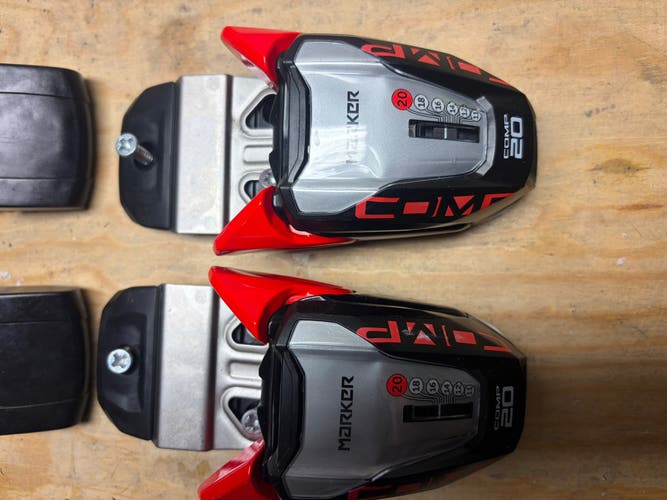
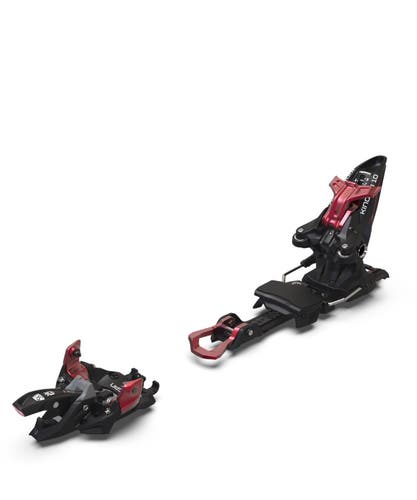
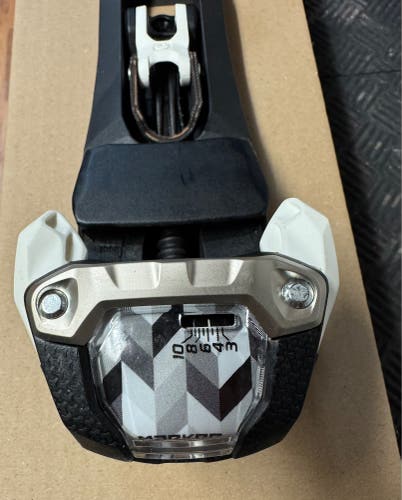
You can look for bindings based on their DIN setting as a starting point. All bindings have a “max DIN setting,” but typically, you don’t want to have your bindings set to their max. The DIN setting measures how easy or hard it is for your bindings to release your boots (and you) from your skis.
A shop technician will set your DIN based on height, weight, and ability level. The lower the DIN setting, the lower the force required to release you from your skis. Beginners will require a low DIN setting because they tend to fall more often and, therefore, want their bindings to release them as readily as possible.
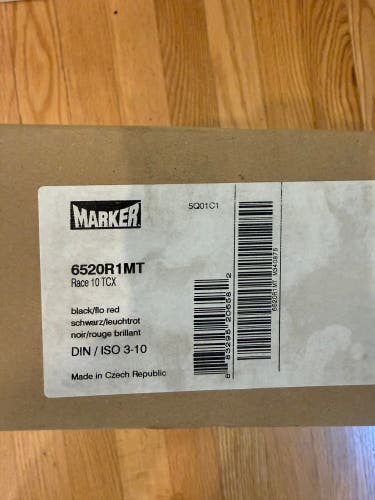
Ski racers need a higher DIN setting to stay locked onto their skis at high speeds. As a general rule of thumb, lightweight beginner adult skiers could have a DIN anywhere between 3 and 10. Heavier beginners and intermediate skiers overlap into the 3-11 range. Racers on the taller, heavier side can operate at a DIN setting anywhere between 12 and18.
While it’s best to get your bindings checked and adjusted by a professional ski technician, there are online DIN calculators to help you get started.