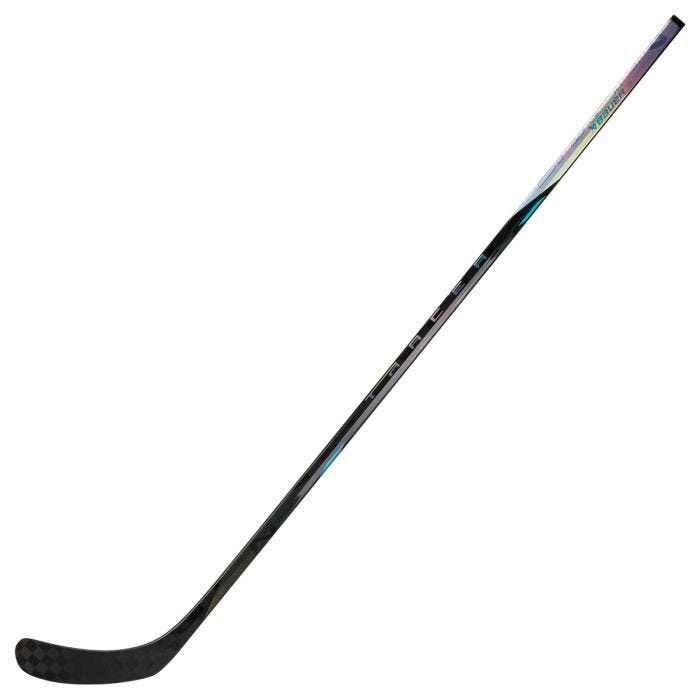
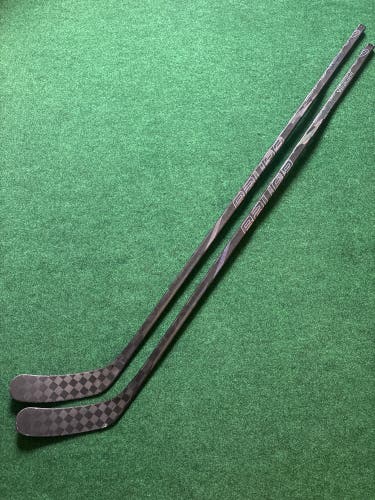
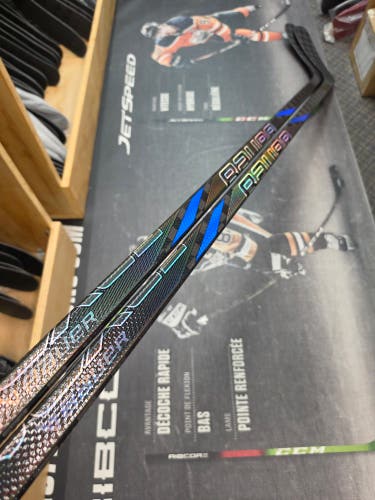
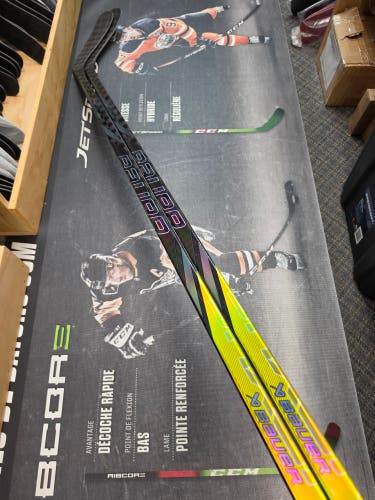
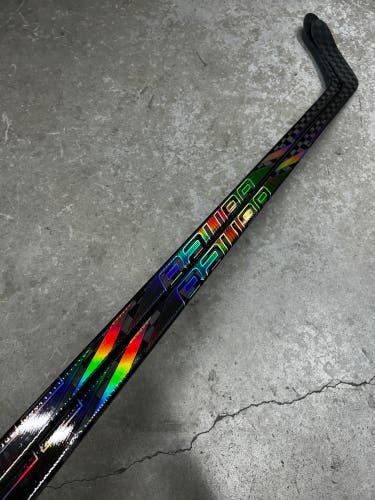
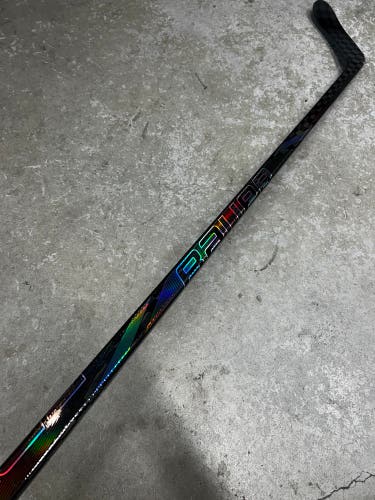
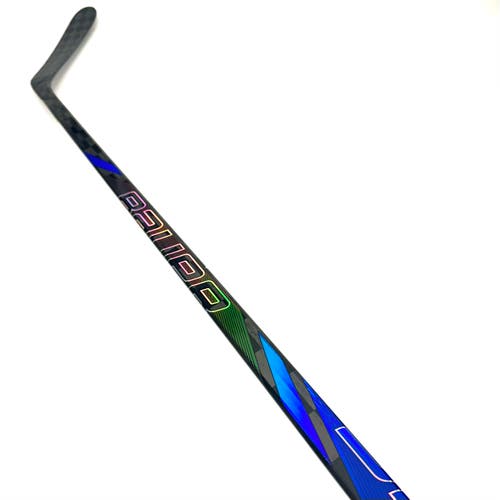
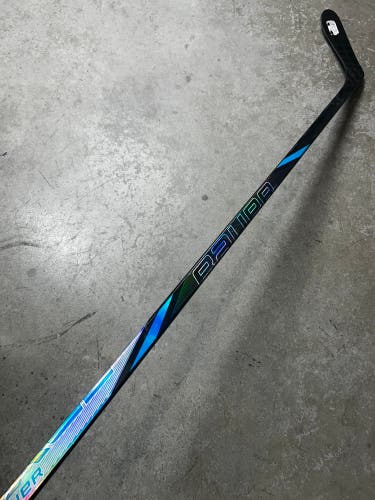
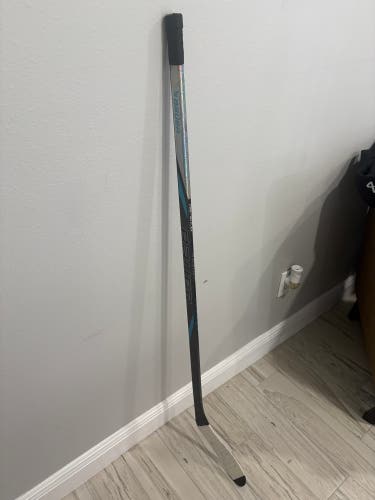
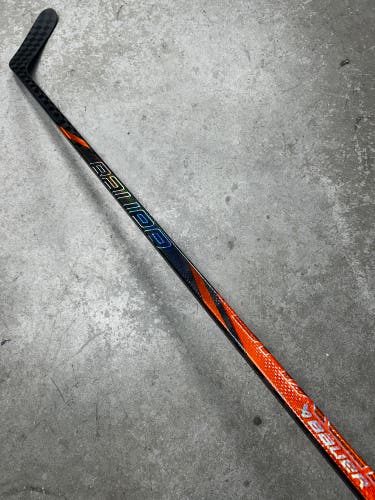
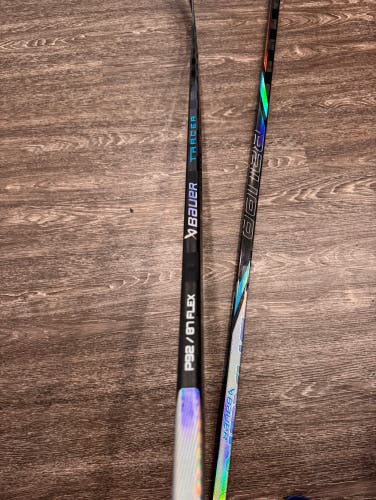
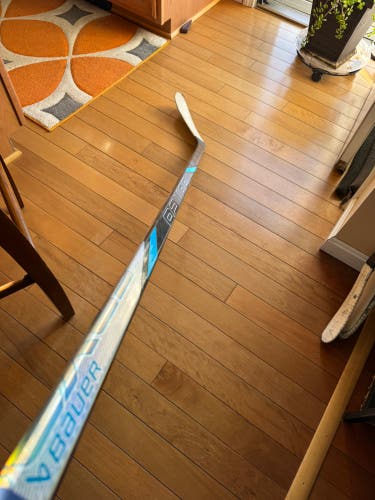
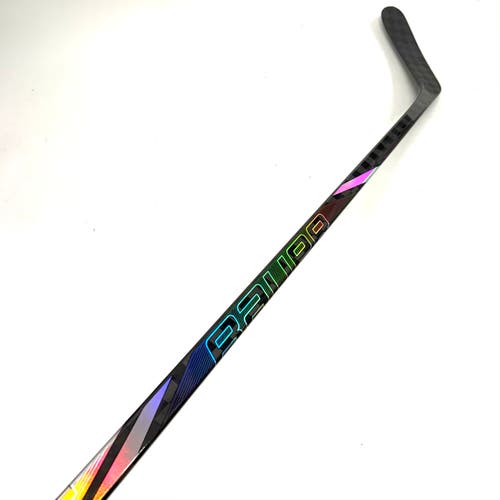
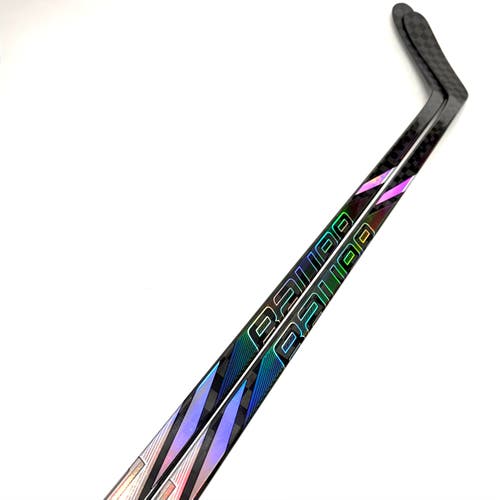
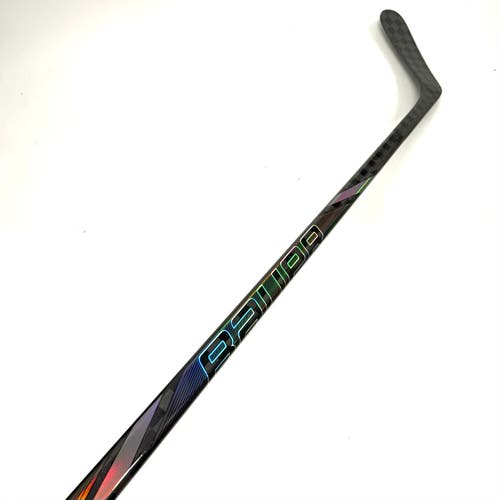
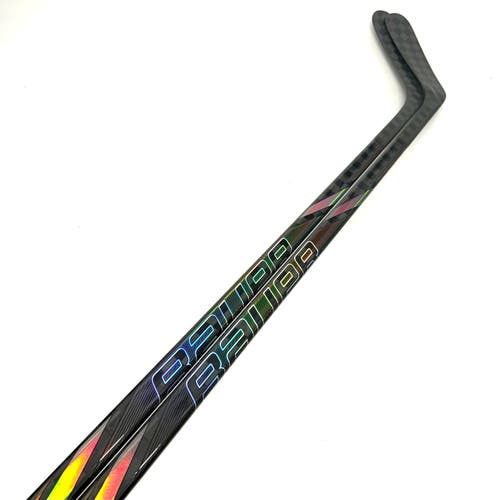

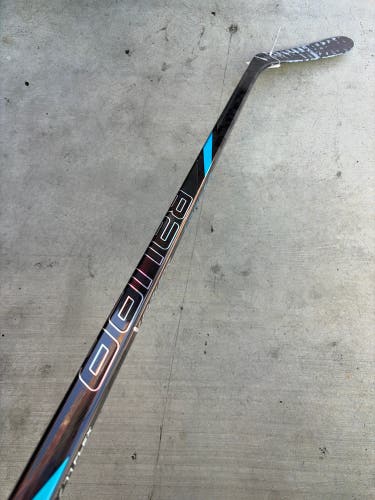
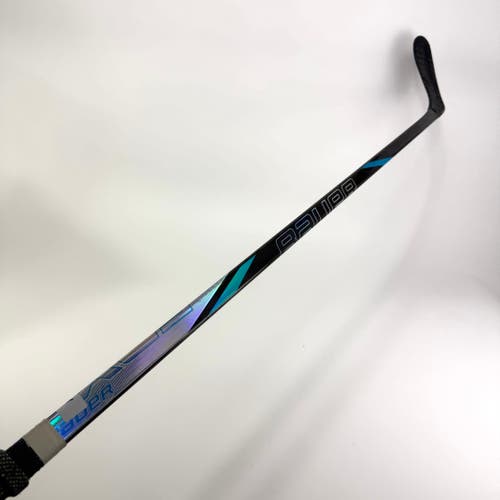
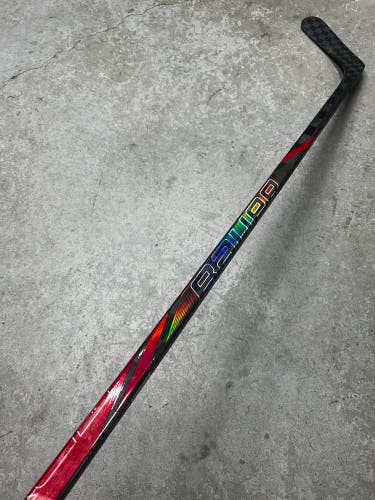
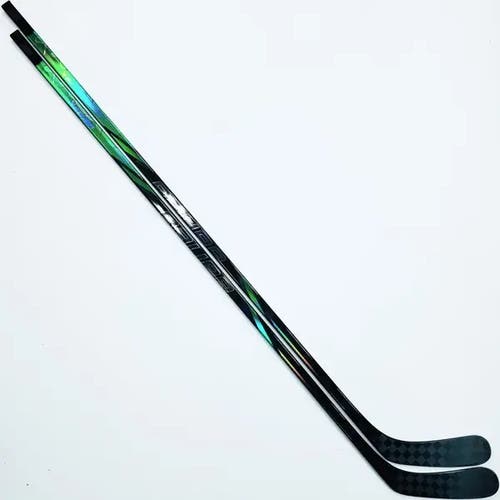
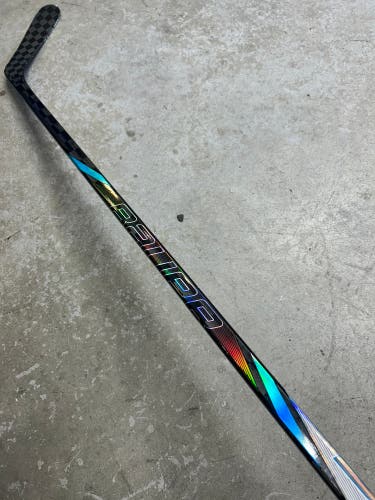
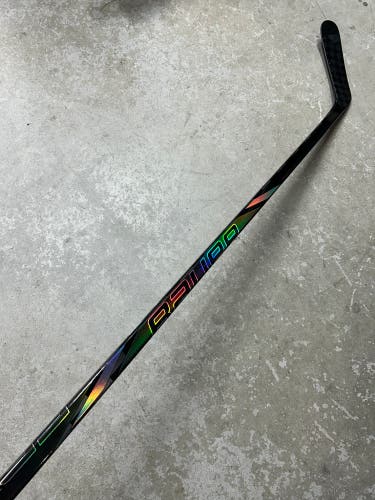
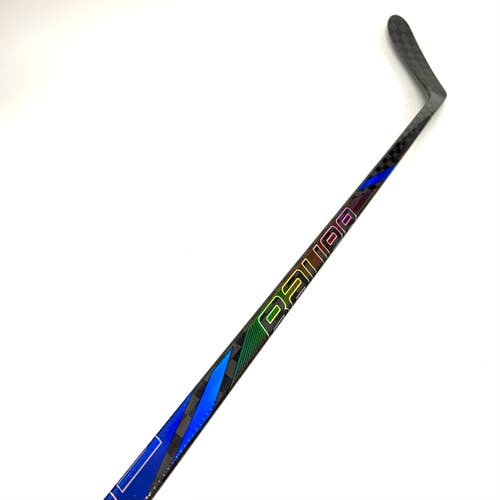


FAQs: Bauer Nexus Tracer Hockey Stick
Q: Who is the Nexus Tracer best for?
A: Players who want a true mid‑kick with a neutral, predictable feel. It’s built for all‑around play—clean snapshots, controlled wristers, and smooth one‑timers—without the twitchiness of low‑kick or the heavy load of power sticks.
Q: What kick point does the Nexus Tracer use?
A: Nexus = mid‑kick. The Tracer is designed to flex through the middle for a smooth, repeatable load and balanced release. That makes it versatile across positions and shot types.
Q: How does the Tracer feel vs Nexus 2N Pro and Nexus Geo?
A: Compared to the 2N Pro, Tracer keeps the Nexus “balanced, do‑everything” vibe; versus the Geo, expect a more classic mid‑kick feel rather than ultra‑tech forward. If you like neutral balance and predictable load timing, Tracer fits that lane.
Q: What’s the real‑world weight and balance like?
A: Generally light for its class with a neutral balance (not overly blade‑ or butt‑heavy). Actual grams vary by length and batch; balance shifts if you cut several inches. If weight matters, check scale photos and ask for a balance‑point measurement.
Q: Blade feel: dampened or pingy?
A: Most players describe the Nexus blades as controlled and slightly dampened—great for receiving passes and settling pucks quickly while still giving a crisp release. Tape pattern and curve choice can nudge feel toward “livelier” or more muted.
Q: Is the Nexus Tracer durable?
A: Feedback for Nexus‑style builds is solid: typical elite composite wear with normal ice use. Durability depends on flex choice, cut length, and heavy impacts (slappers/faceoffs). Inspect used listings for shaft cracks and blade heel/toe separation.
Q: Is the Tracer good for slapshots and one‑timers?
A: Yes. Mid‑kick loading helps produce controlled power without a long wind‑up. If your game leans power‑heavy from the blue line, consider a slightly stiffer flex; if you prioritize quick releases in tight, your regular flex is usually ideal.
Q: What curves are common on the Tracer (P92, P88, P28, P90TM)?
A: P92 and P88 are most common; P28 and P90TM appear depending on inventory. Switching patterns changes release point and puck control—stick with your current curve for the easiest transition.
Q: What lies are typical on Tracer patterns?
A: Lies usually follow Bauer’s standards (many P92 in Lie 6; P28 often Lie 5/6). Upright stance tends to prefer higher lies; deeper knee bend often prefers lower. Always verify the blade code on the stick label.
Q: What flex options are available?
A: Common senior flexes: ~75/77, 85, 95+, with intermediate/junior below. Every inch cut increases effective flex roughly 3–5 points—plan your final height before choosing flex or test with an end plug.
Q: Retail Tracer vs Pro Stock—what should I know?
A: Pro stock can change construction, balance, or pattern codes and usually has no retail warranty. Look for team code stickers and spec tags, confirm uncut length and actual flex, and ask for close‑up label photos.
Q: Does the Tracer get “whippy” over time?
A: Any composite can feel softer with heavy use. Lots of slappers/faceoffs or a big cut can accelerate that feel. If you stress sticks, consider one flex up or limit how much you trim.
Q: Grip vs matte Tracer—does it matter?
A: It’s preference. Grip helps torque and control; matte allows quicker hand adjustments. Choose based on your glove palm material and how often you slide hands for dekes or faceoffs.
Q: What should I check when buying a used Nexus Tracer?
A: Verify hand, flex, curve, lie, and cut length. Inspect:
- Shaft: cracks or “spongy” soft spots
- Blade: heel/toe separation or delamination
- Hosel/toe: chips or splits